
Eoliaki Opsi: Computer Generated Compositions Using Environmental Data
Downloads
Abstract
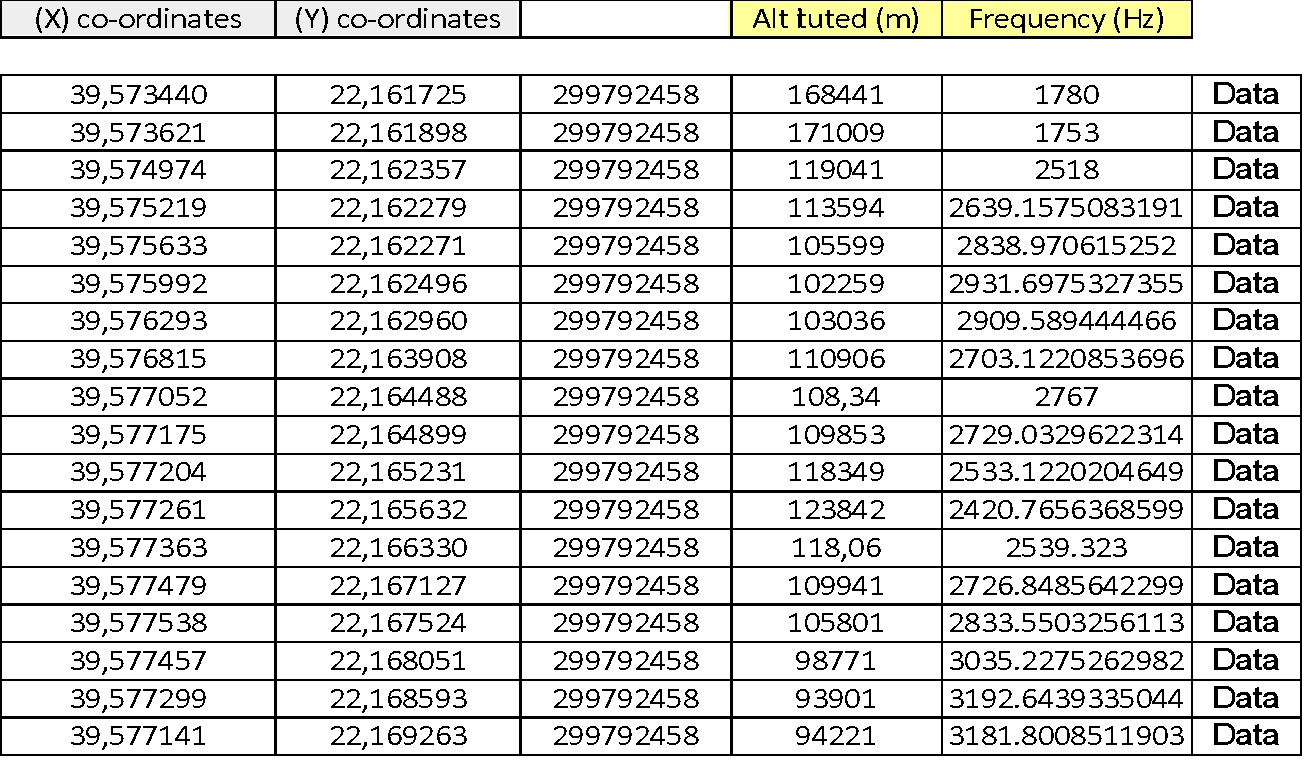
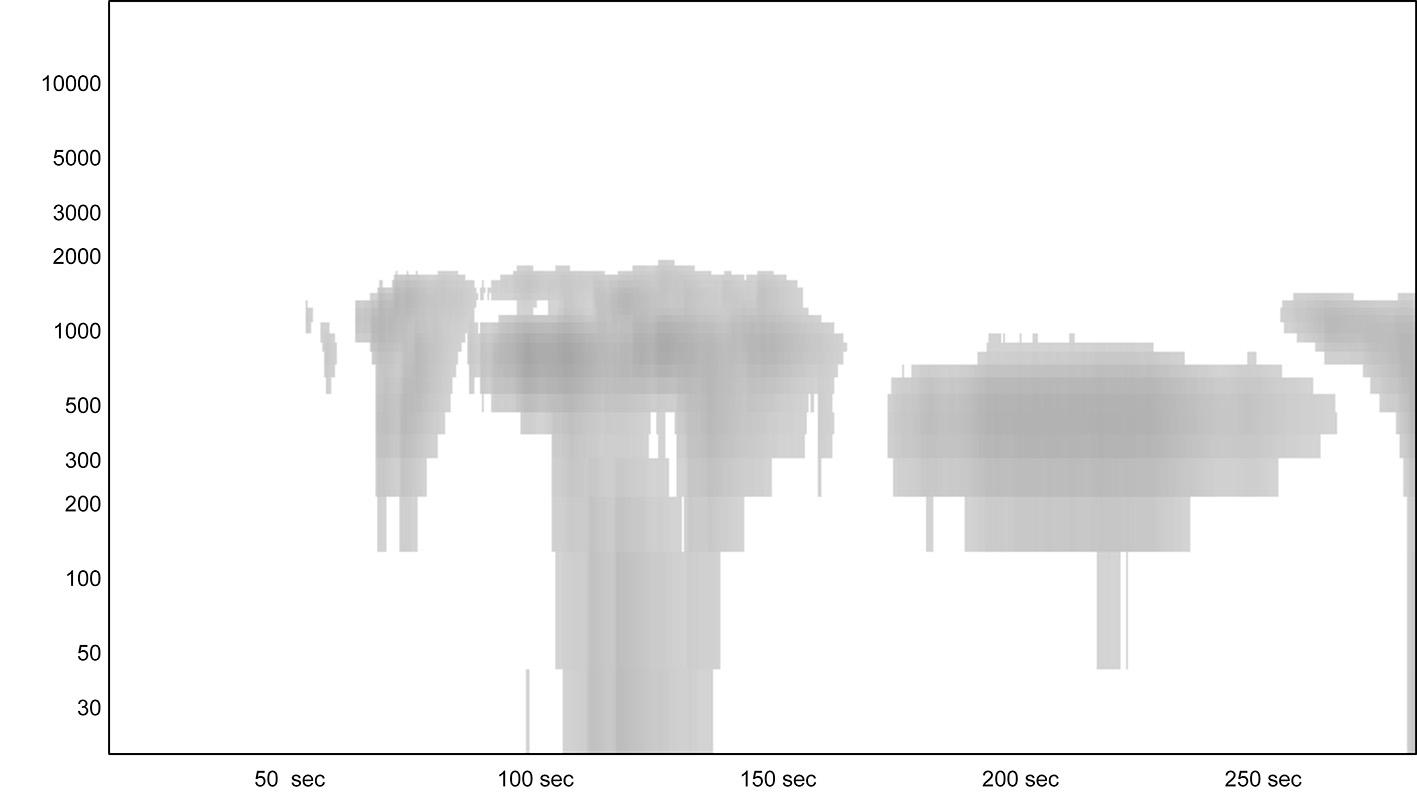
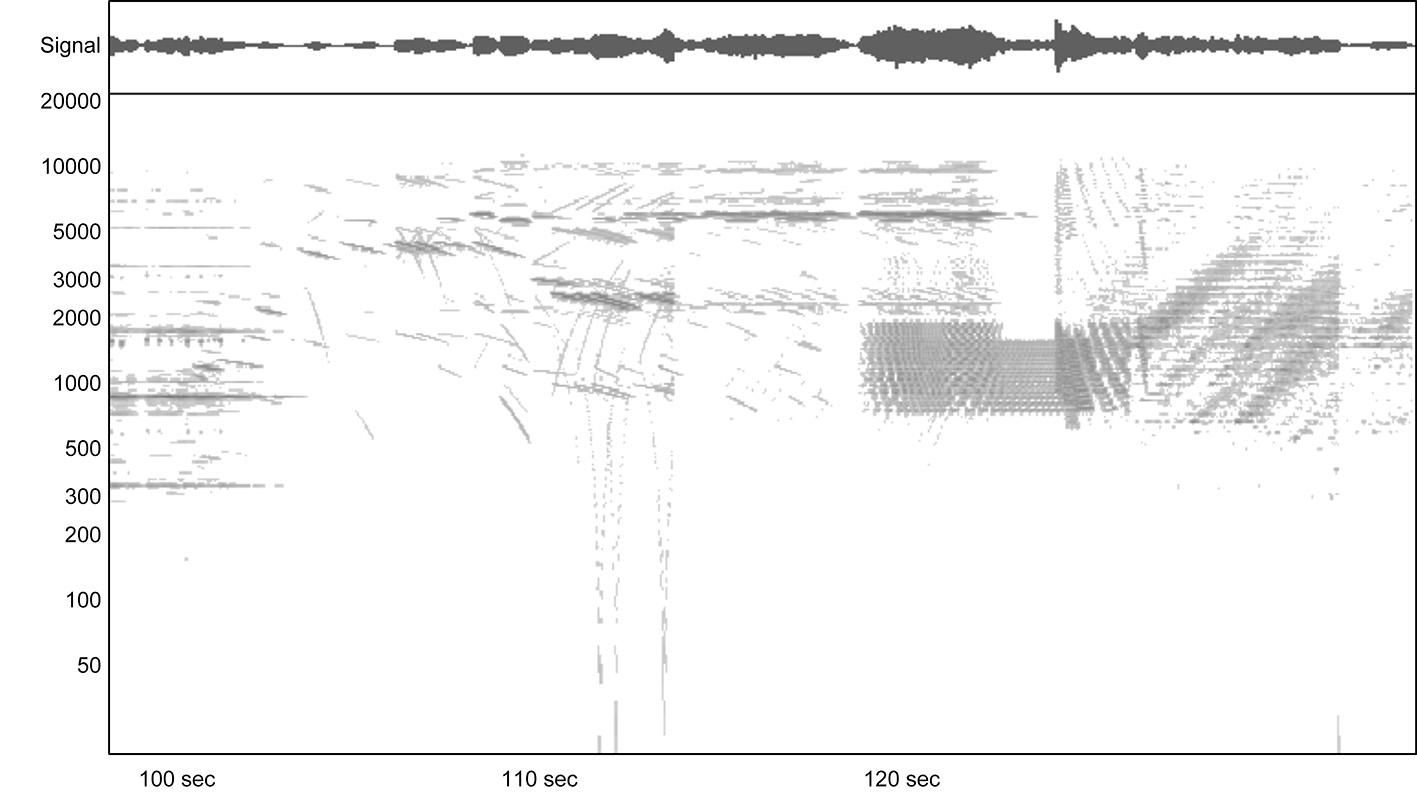
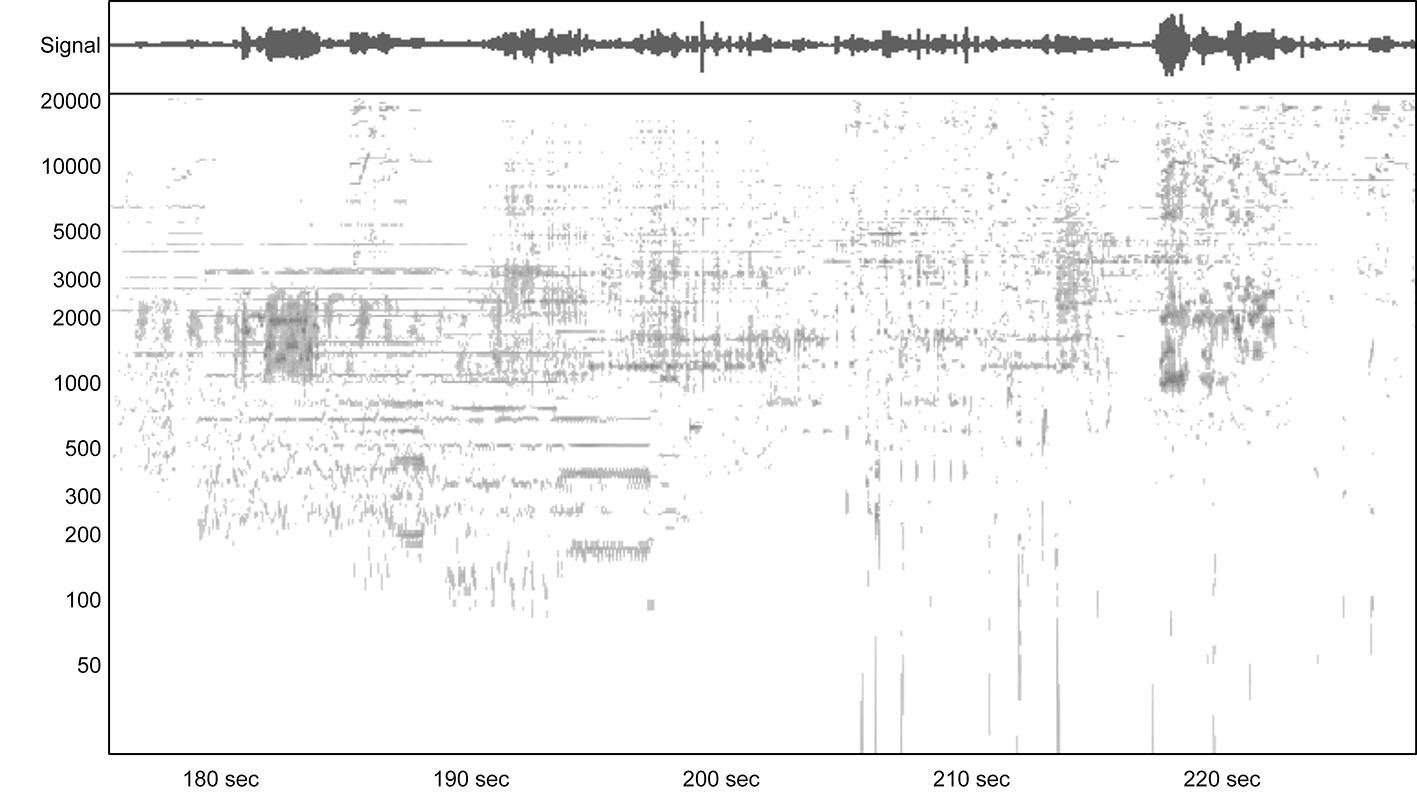
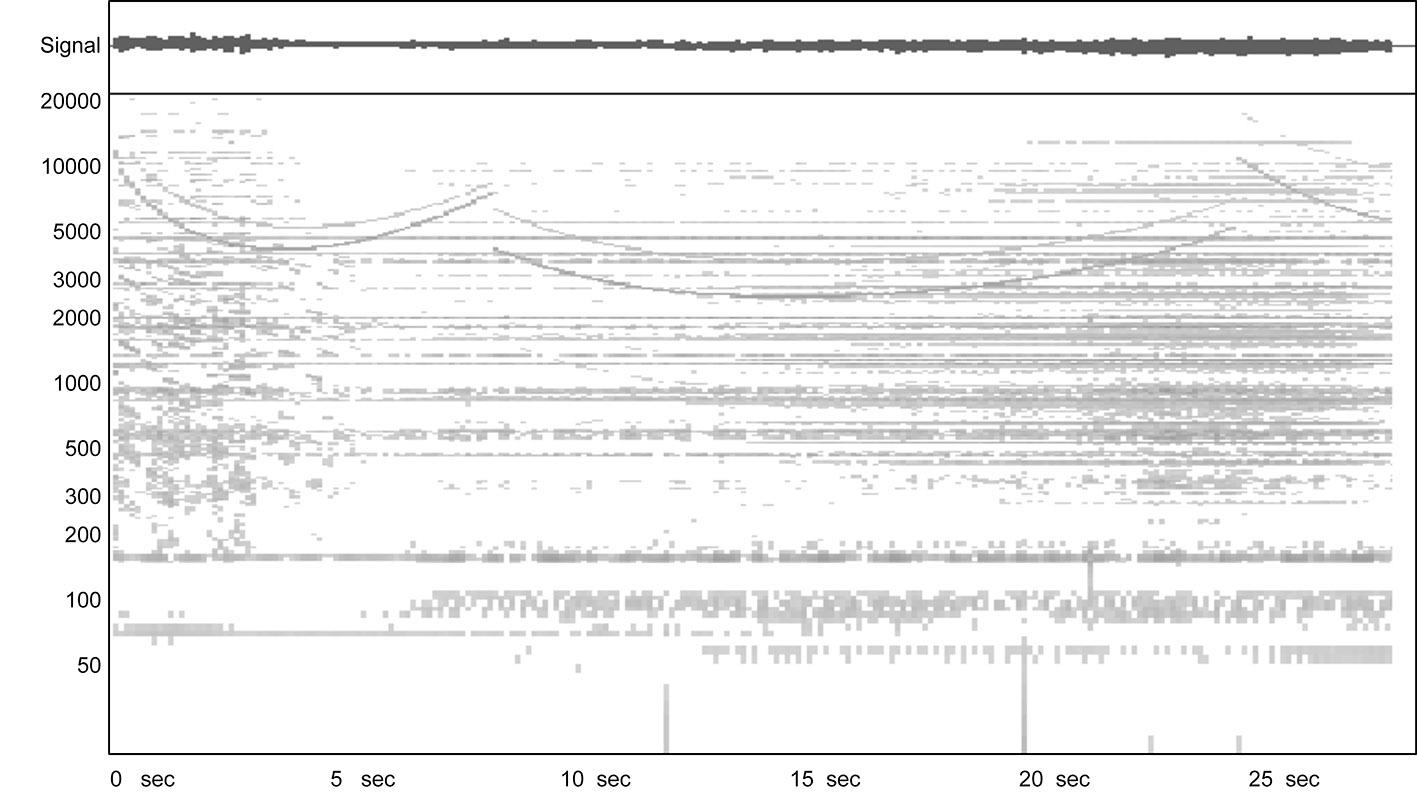
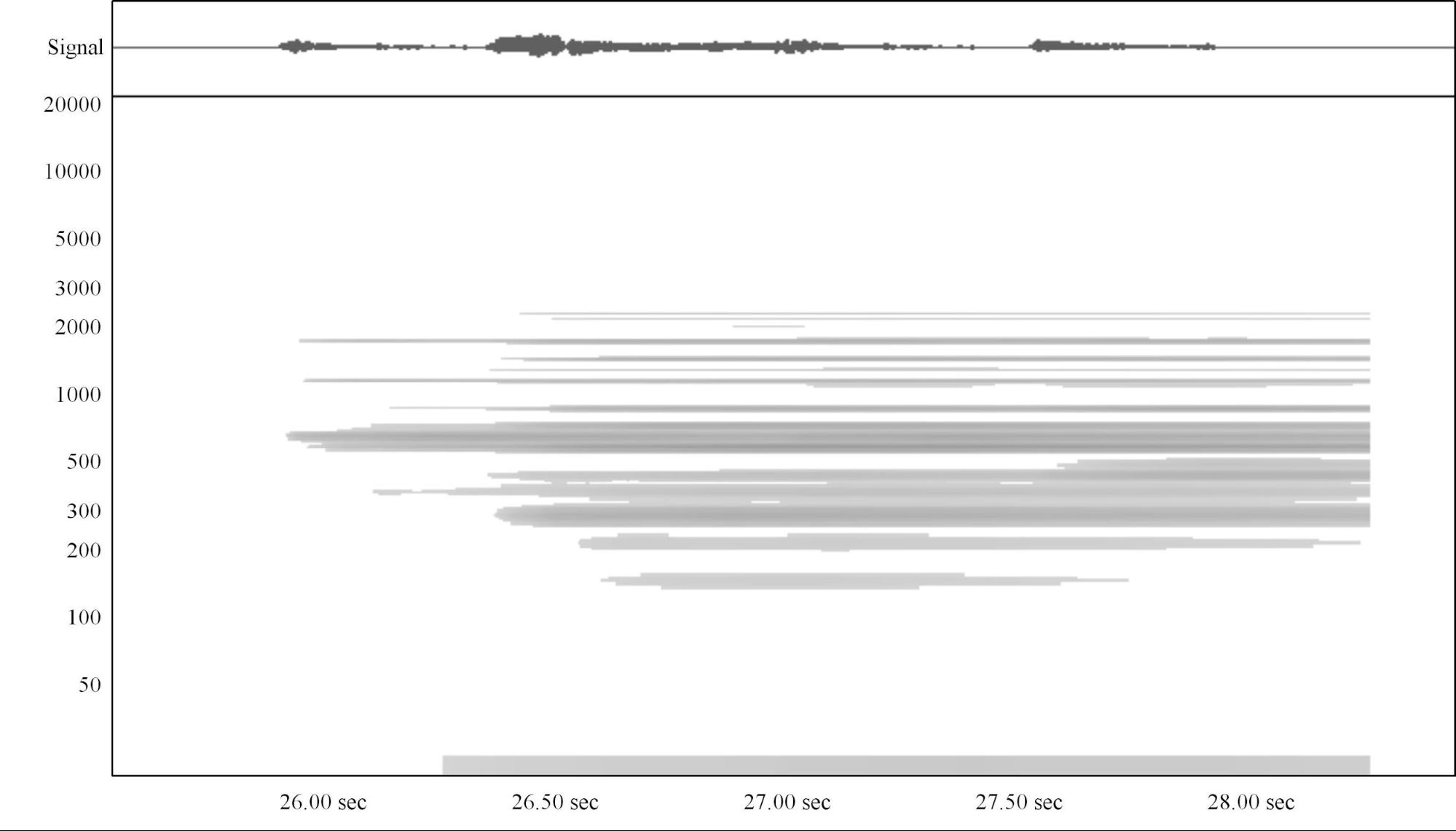
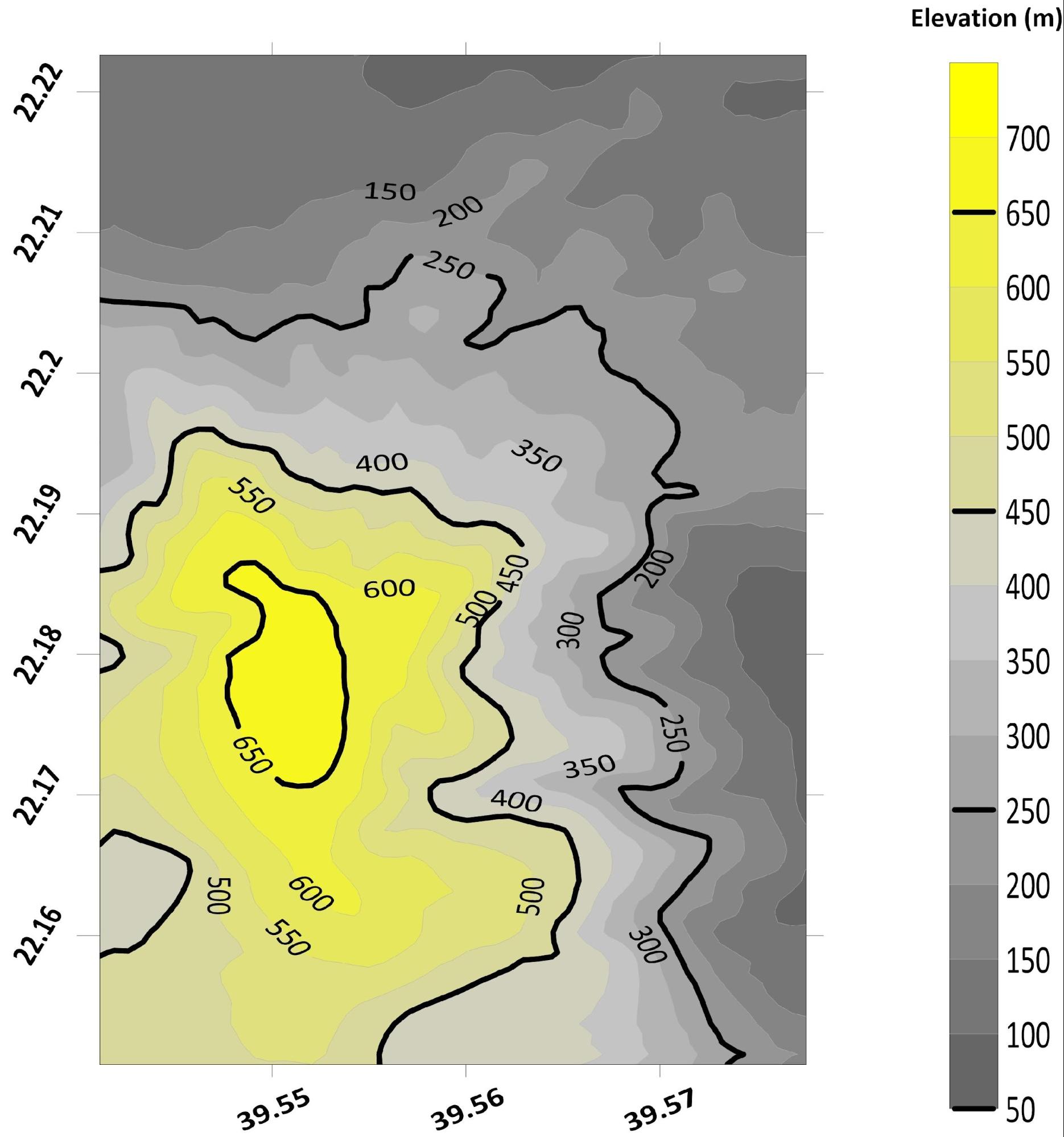
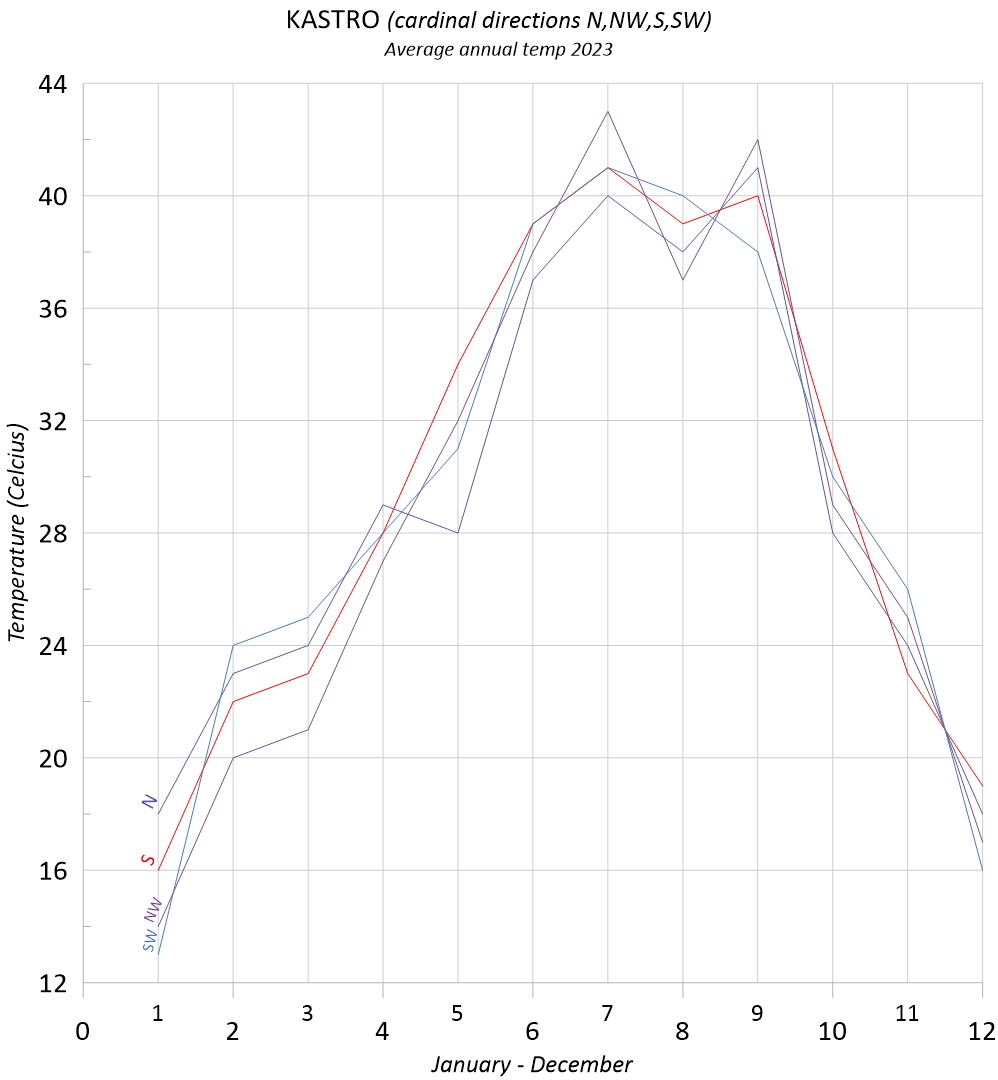
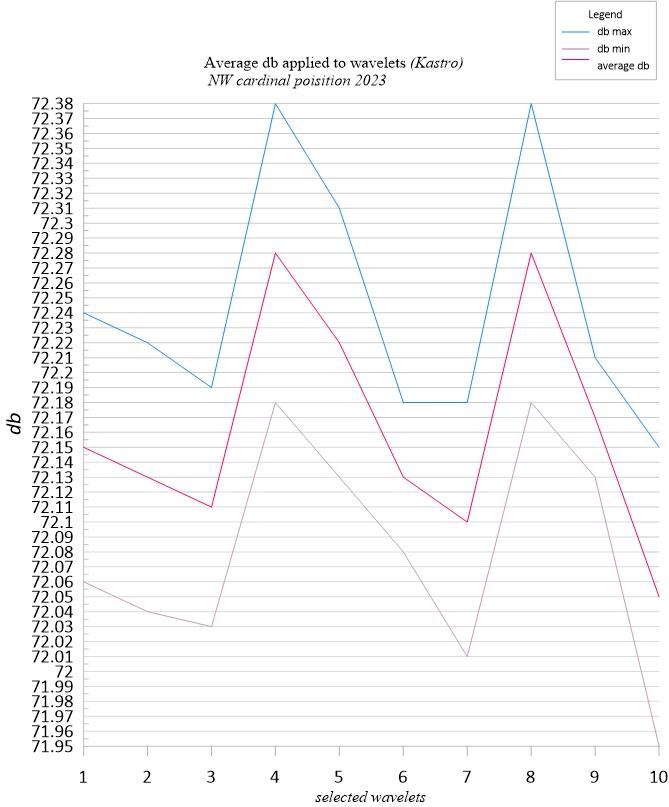
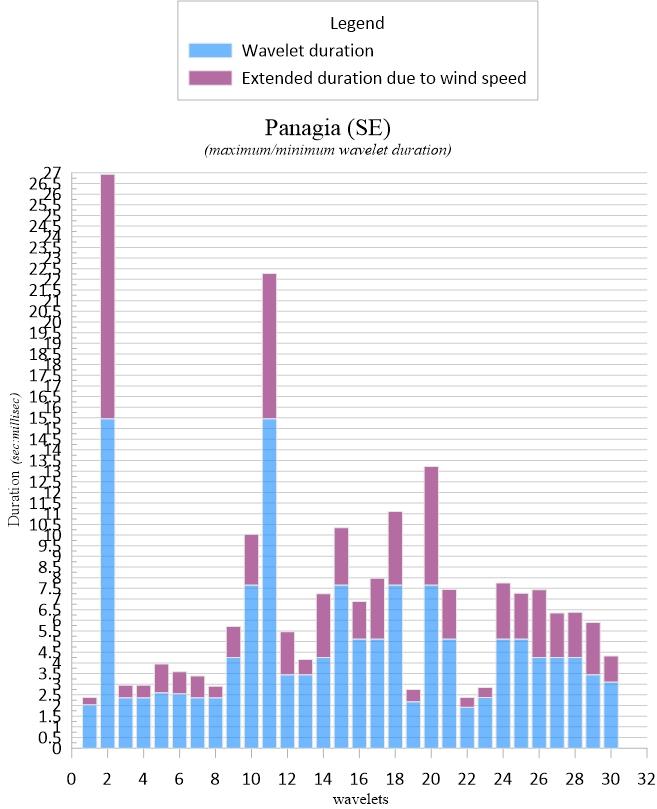
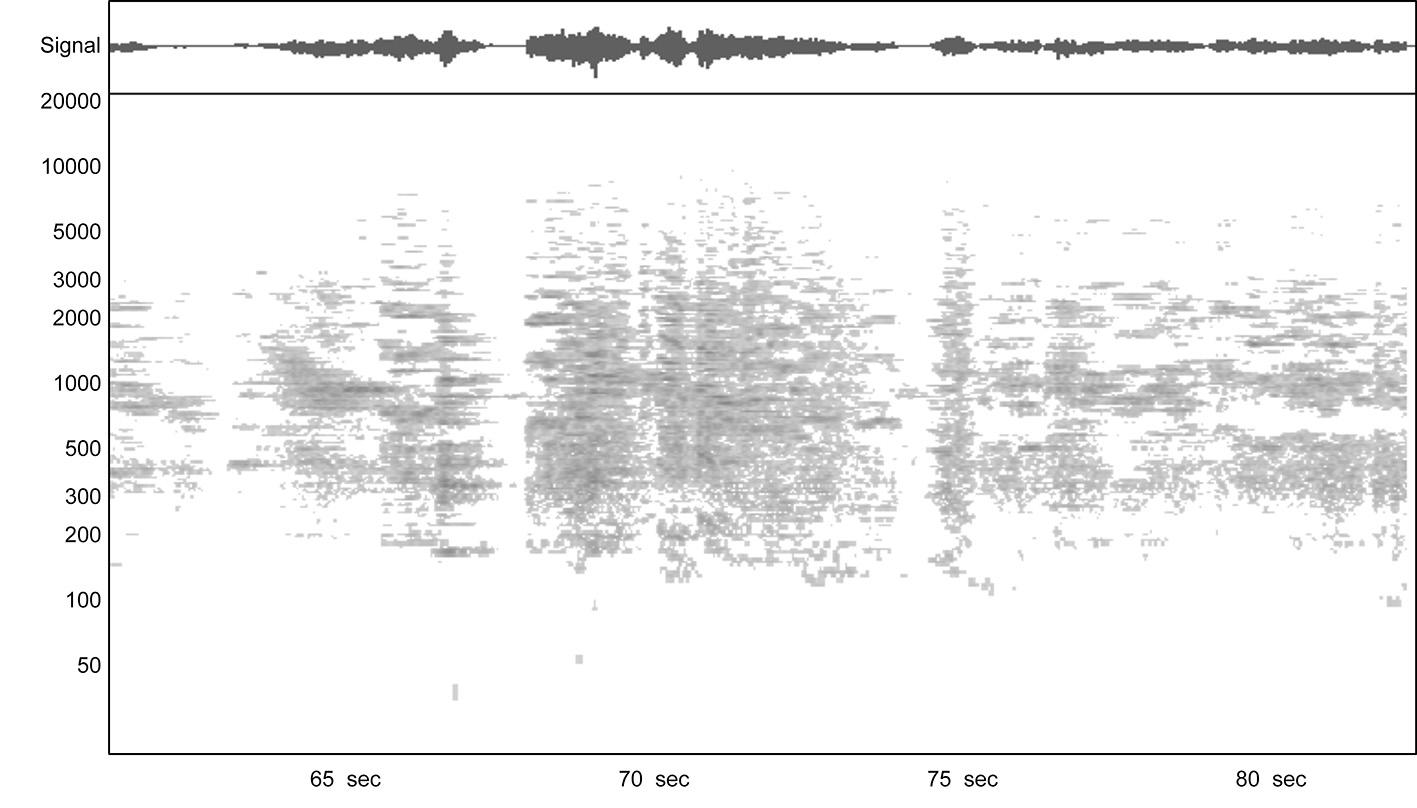
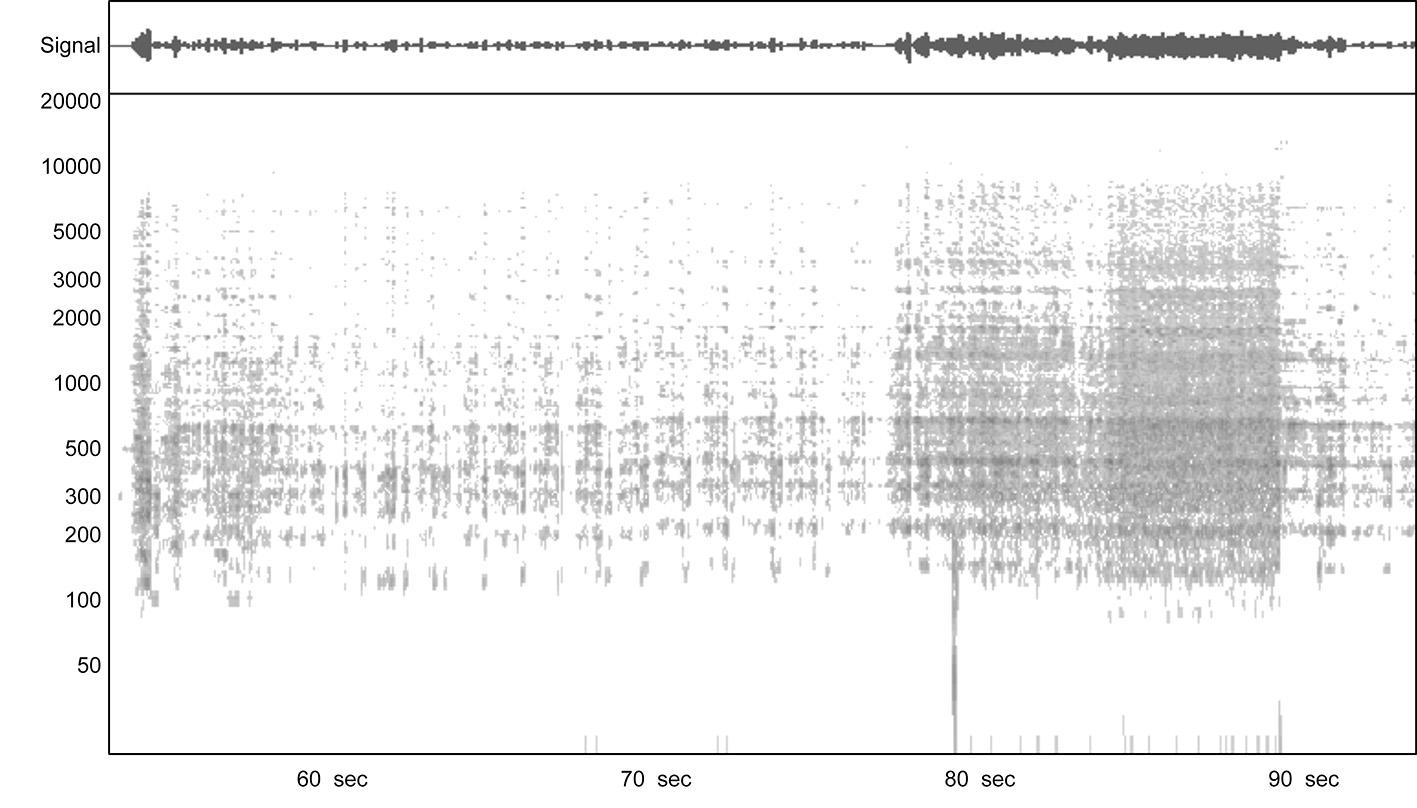
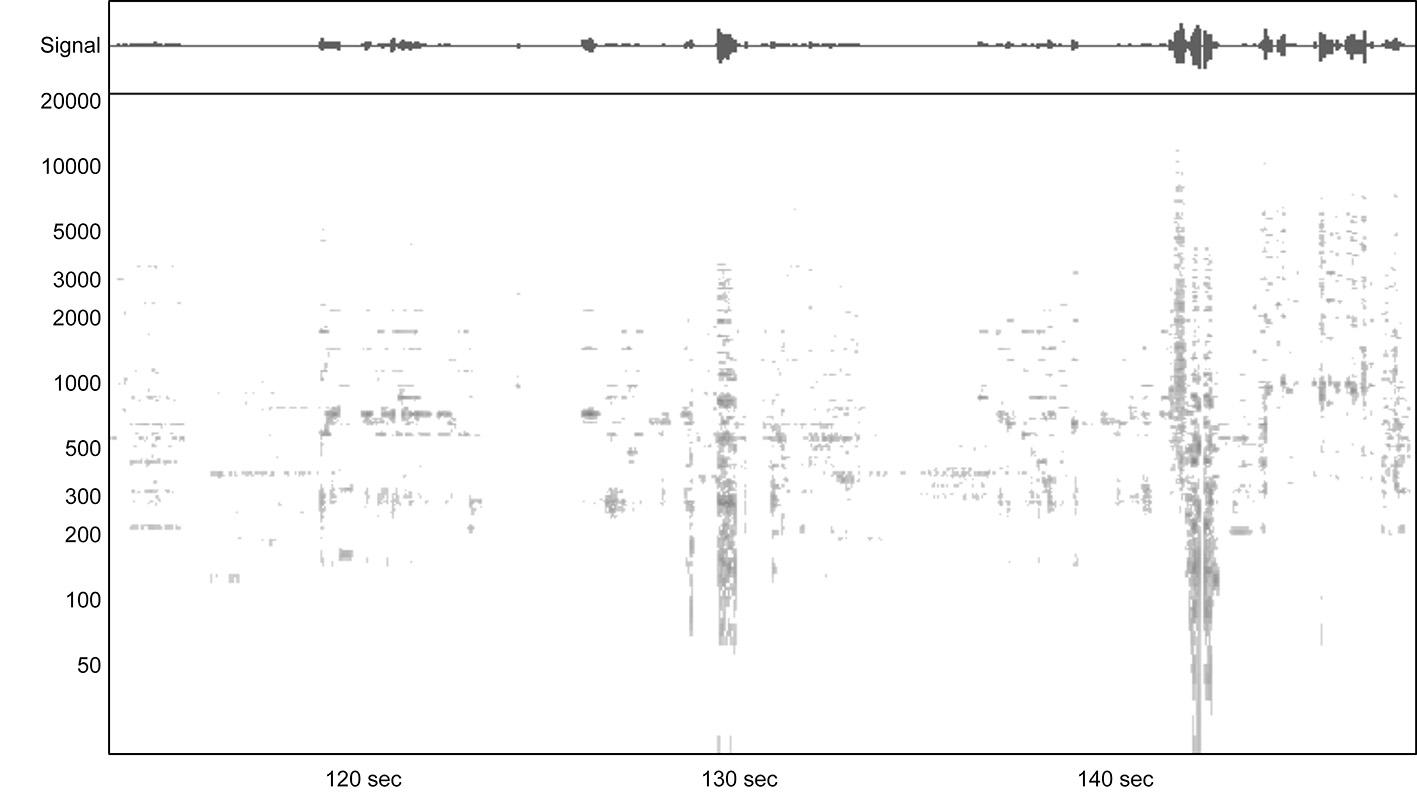
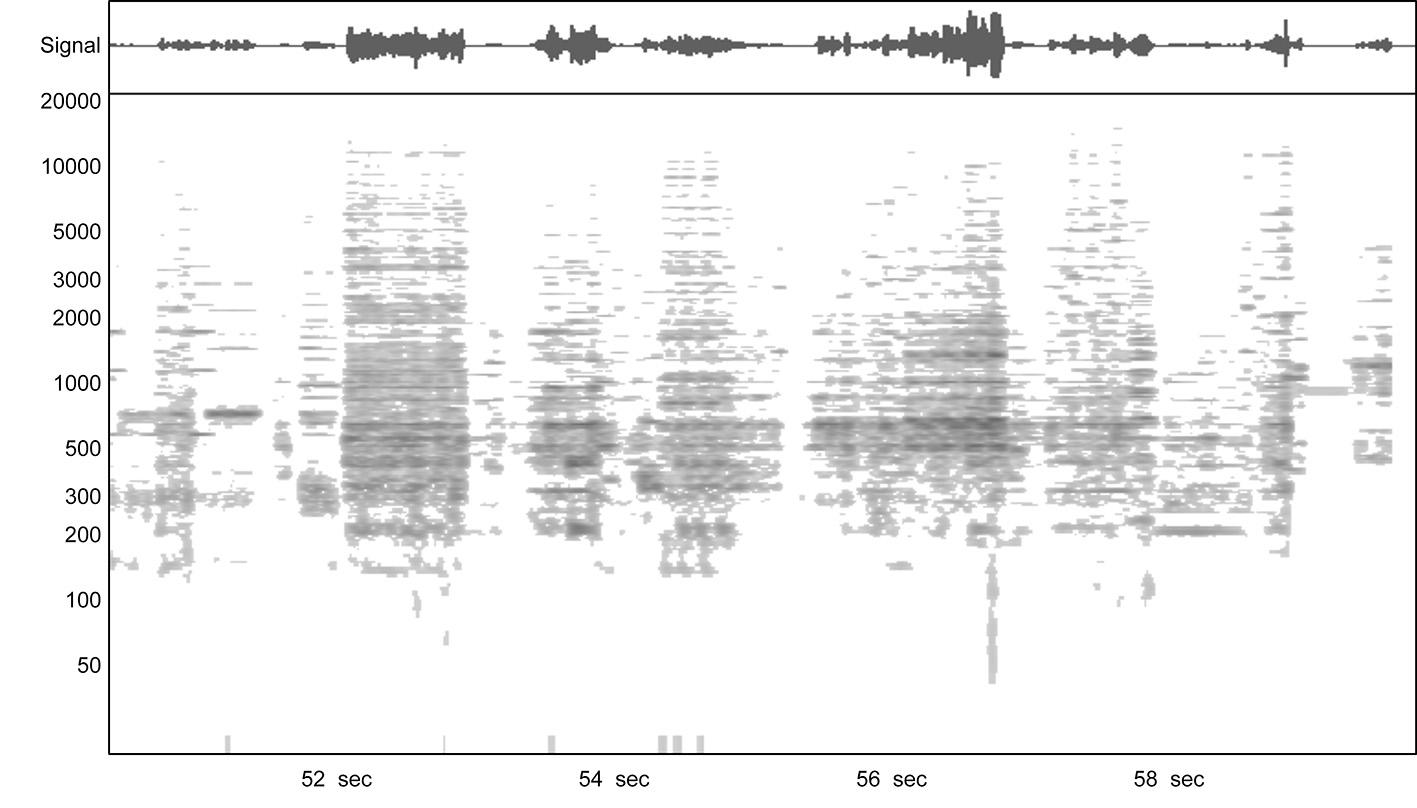
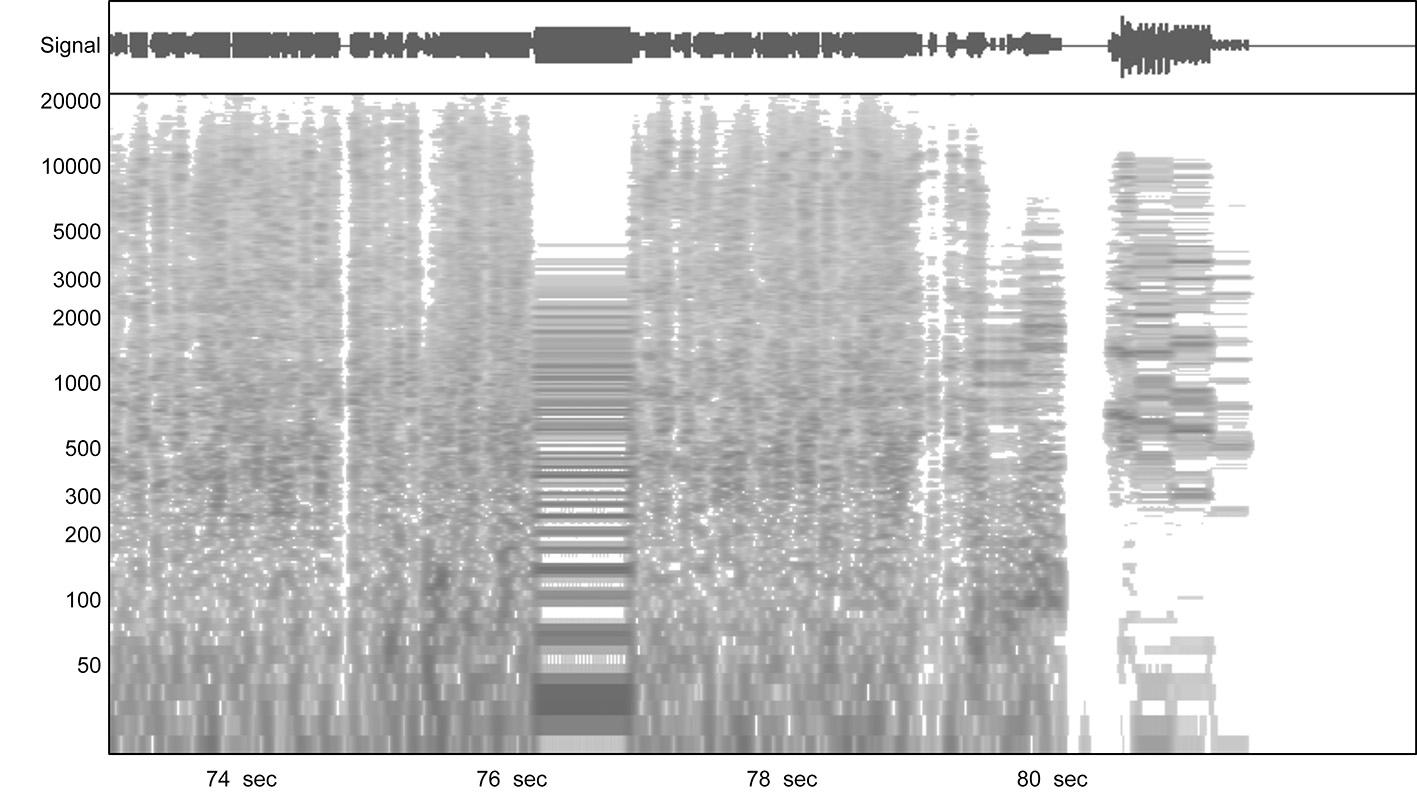
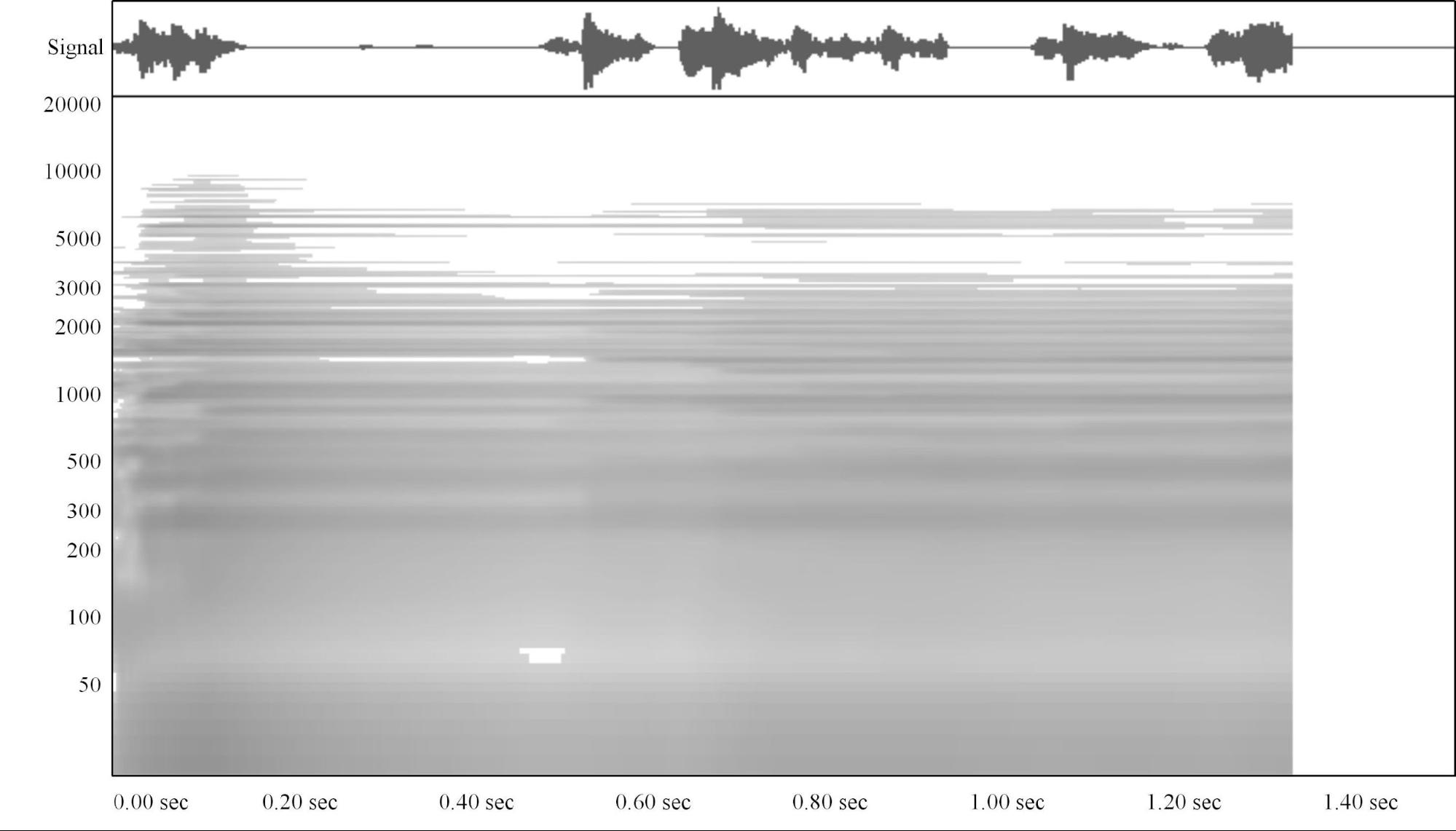
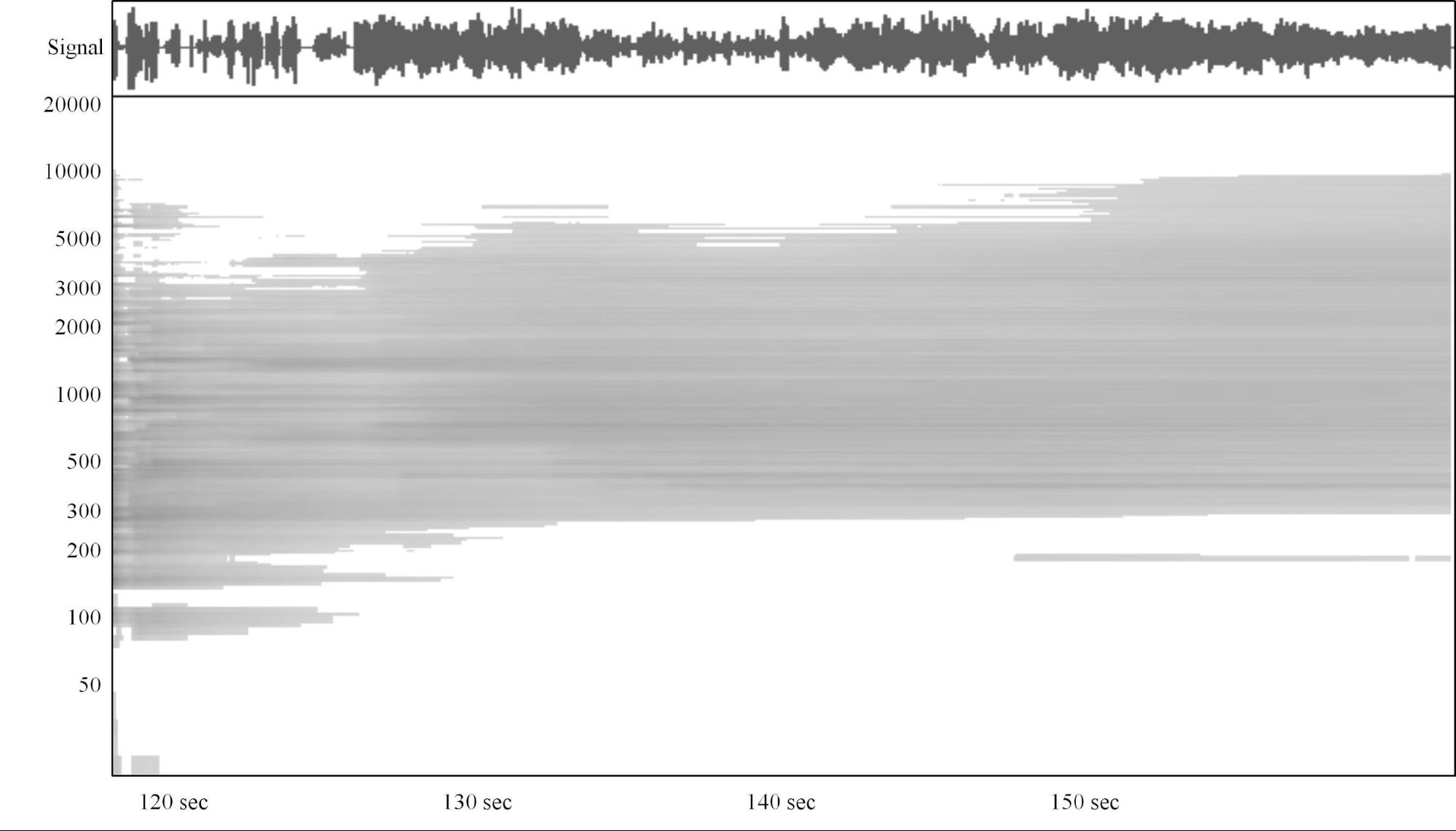
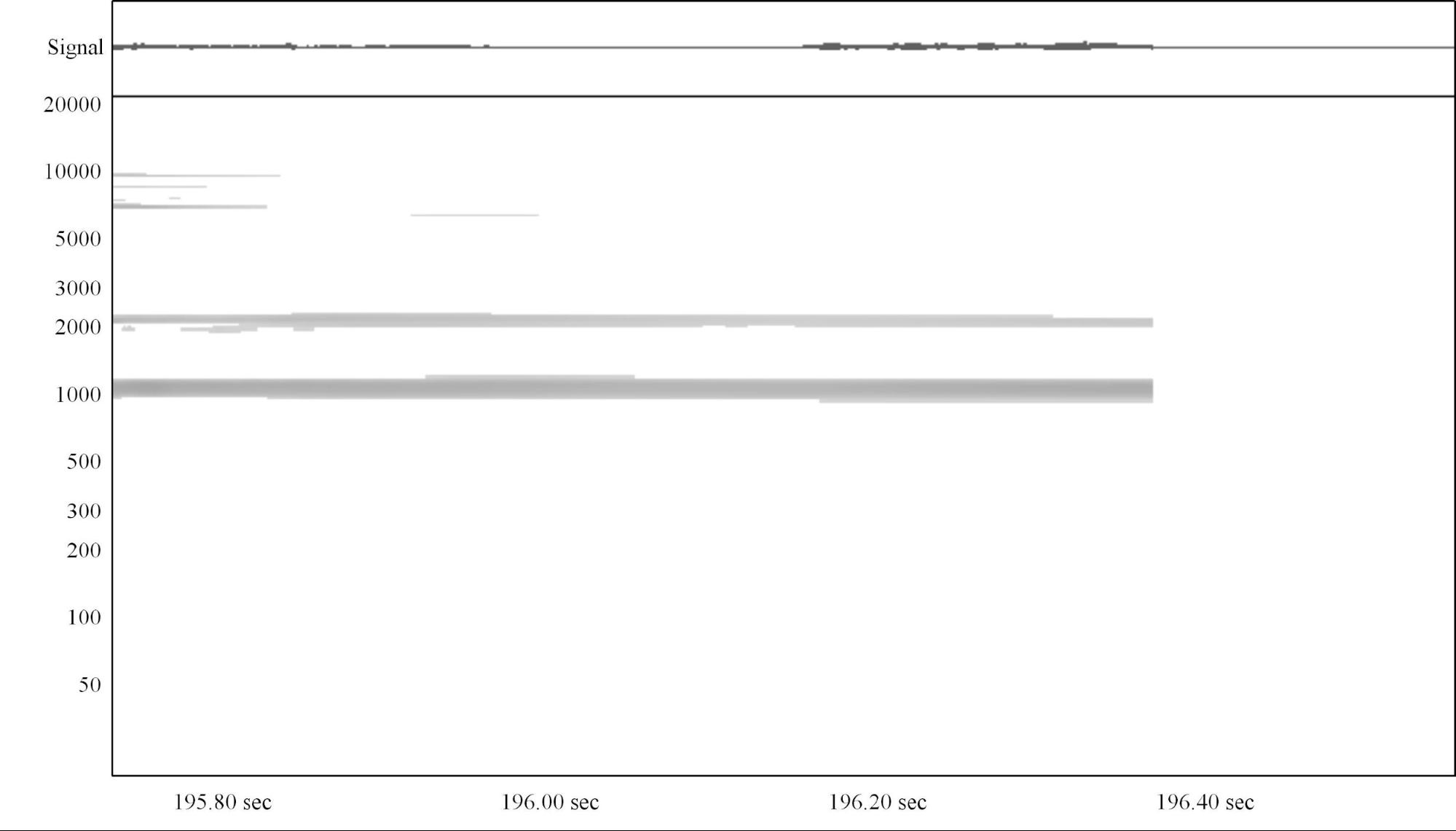
A computer-generated composition, software programs, site-specific elevation and climatic data from Ag. Ioannis, Prodromos, Farsala, Panagia, and Kastro locations in the province of Thessaly were vital in constructing the various compositions between 2013 - 2024. Grains from musique concrète and electronic sounds created a powerful way to experience complex micro-sound phenomena. Electronic waveforms are sinusoids at specified frequencies. Sampled acoustic waveforms are read from locations with or without frequency alterations. Together, they create sound diagrams of macro-environmental communication paths. The process derives its sound complexity from the amount of control data it receives. The sourcing, classification and categorisation of data from natural environments lead to inherent errors with data limitations. Extra care is needed to accurately represent data in analysing ecological dynamics, to engage and minimise discrepancies within systems.DOI:
https://doi.org/10.63942/brjssh.v5.i3.p15.52390Introduction audio
A spoken introduction to this research.
Research ID
Universal Unique Research ID
16d9048f-6668-471d-85e0-0ab4fa093a4bFigures
Select a figure to view the full image.





References
Alfano, S., & Greer, M. L. (2003). A new method for integrating a stiff constitutive equation in a finite-element code. Journal of Guidance, Control, and Dynamics, 26(1), 106–110.
Beznea, L., Deaconu, M., & Lupascu, O. (2015). Branching processes for the fragmentation equation. Stochastic Processes and their Applications, 125(5), 1861–1885.
de Carvalho, H. T. (n.d.). An introduction to Markov chains in music composition and analysis [Unpublished manuscript]. Federal University of Rio de Janeiro.
MacKay, D. J. C. (2003). Information theory, inference and learning algorithms. Cambridge University Press. https://doi.org/10.1145/1189056.1189063
Markov, A. A. (1951). Selected works (Y. V. Linnik, Ed.). Academy of Sciences of the USSR.
Papoulis, A. (1965). Probability, random variables, and stochastic processes. McGraw-Hill.
Ramanto, A. S., & Maulidevi, N. U. (2017). Markov chain based procedural music generator with user chosen mood compatibility. International Journal of Asia Digital Art & Design, 21(1), 19–24.
Thomson, P. (2004). Atoms and errors: Towards a history and aesthetics of microsound. Organized Sound, 9(2), 207–218. https://doi.org/10.1017/S1355771804000299
Wolfram, S. (1984). Universality and complexity in cellular automata. Physica D: Nonlinear Phenomena, 10(1-2), 1–35.
Copyright & reuse
© 2025 Dimitrios Voudouris. Authors retain copyright in their work. Reuse is permitted under Creative Commons Attribution 4.0 when the authors and original publication are credited.
License terms · Copyright policy
Disclaimer
The claims in this article belong to its authors and do not necessarily reflect the views of their institutions, Boston Research Journals, editors or reviewers. Publication does not constitute endorsement of a product or manufacturer’s claim.
Published
Issue
License
Copyright (c) 2024 Boston Research Journal of Social Sciences & Humanities

This work is licensed under a Creative Commons Attribution 4.0 International License.
Publication record
- Accepted
- 2025-04-29
- Published
- 2025-06-06
- Pages in issue
- 15 - 41
- Online ISSN
- 2834-4863
- Print ISSN
- 2834-4855
Peer reviewed research
Review by at least two independent experts under a double-blind process.
Peer review process ↗Copyright & access
🟢 Open Access | Creative Commons Attribution 4.0 International License (CC BY 4.0)
View license terms ↗Preservation & archival

Long-term preservation with BRJ Cloud.
View archival policy ↗Published by BRJ
Compiled and published in the United States of America.
About Boston Research Journals ↗Share this research