The Practices of Intellectual Stimulation by Parents for Their Children as an Illustration of Transformational Leadership
Downloads
Abstract
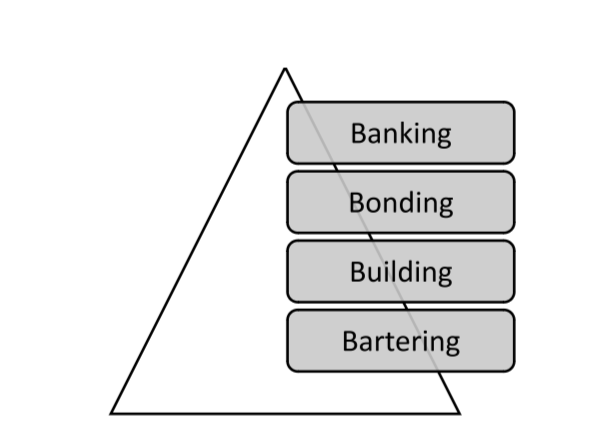
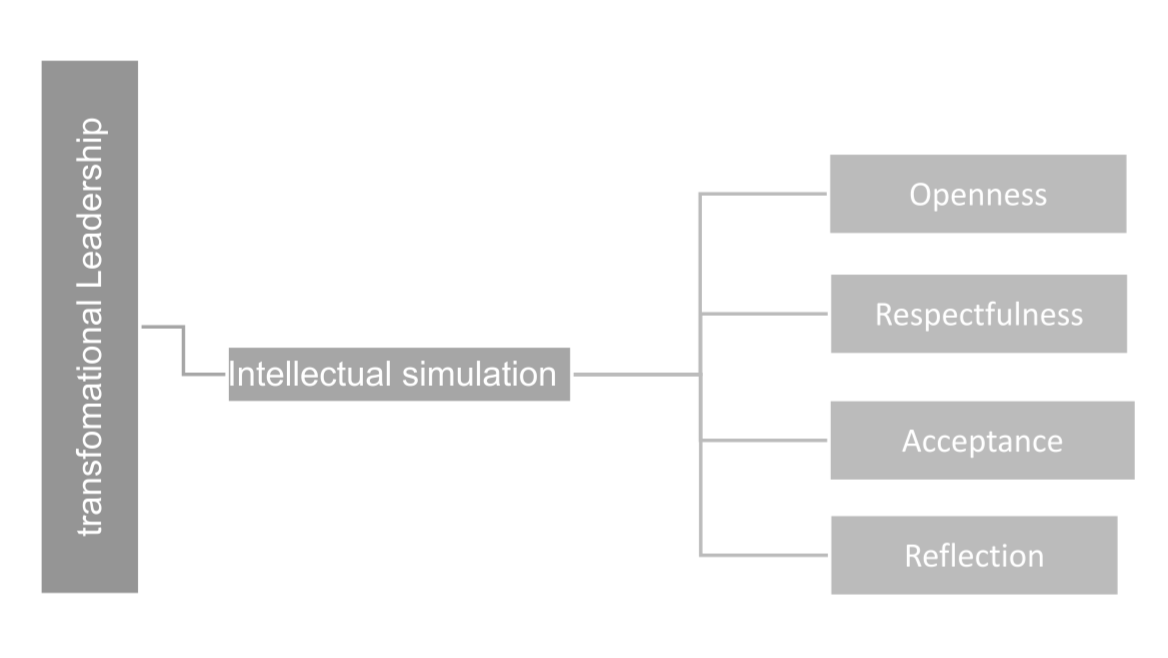
This research aimed to explicate the extent to which parents engage in the practice of intellectual stimulation for their children, conceptualized as an illustration of transformational leadership, employing a descriptive analytical methodology where an instrument was developed to assess the progression of transformational leadership levels in parenting, encompassing the Bartering, Building, Bonding, and Banking approches. This instrument was administered randomly to a cohort of (701) parents whose children are enrolled in primary education within the city of Jeddah in Saudi Arabia. The findings indicate that the degree of parental practices of intellectual stimulation is remarkably elevated, suggesting a high level of Banking in transformational leadership, with an arithmetic mean of (6.16 out of 7). Furthermore, the investigation disclosed statistically significant discrepancies dependent upon the gender of the child and the educational level of the parents. The study promotes for the execution of additional quantitative and qualitative research to reveal the perspectives of children and compare them with those of their parents, alongside recommending the enhancement of reflection practices among both parents and children through tailored training programs.DOI:
https://doi.org/10.63942/brjssh.v5.i8.p19.66234Keywords:
bonding, building, cognitive development, primary grades, relationshipIntroduction audio
A spoken introduction to this research.
Research ID
Universal Unique Research ID
060afa12-7c36-425e-94b6-fecafb93bdafFigures
Select a figure to view the full image.
References
Akhter, N., Noor, A. E., & Iqbal, S. (2020). The influence of parental authoritative styles on the personality characteristics of children: An empirical investigation among elementary school students in Pakistan. Journal of Elementary Education, 38(29), 37–50. https://pu.edu.pk/images/journal/JEE/PDF/3_v29_2_19.pdf
Bolkan, S., & Goodboy, A. K. (2010). Transformational leadership in the classroom: The development and validation of the student intellectual stimulation scale. Communication Reports, 23(2), 91–105. https://doi.org/10.1080/08934215.2010.511399
Dabke, D. (2014). The influence of parental emotional intelligence and perceived leadership behaviors of parents on satisfaction with parenting. Journal of Indian Association for Child & Adolescent Mental Health, 10(1), 9–30. https://doi.org/10.1177/0973134220140102
Ferguson, E., Hagaman, J., Grice, J., & Peng, K. (2006). From leadership to parenthood: The applicability of leadership styles to parenting styles. Group Dynamics: Theory, Research, and Practice, 10(1), 43–55. https://doi.org/10.1037/1089-2699.10.1.43
Galbraith, K. (2000). Family leadership: Constructing and testing a theoretical model of family well-being [Doctoral dissertation, Utah State University]. All Graduate Theses and Dissertations. https://doi.org/10.26076/a956-5894
Gartzia, L. (2023). The beneficial impact of nurturing: Circumstances and mechanisms through which parenting enhances leadership capabilities. Journal of Organizational Behavior, 45, 643–662. https://doi.org/10.1177/0973134220140102
Goodall, J., & Montgomery, C. (2023). Transitioning from parental involvement to parental engagement: A continuum. In Mapping the field (pp. 158–169). Routledge.
Jankowska, D. M., & Gralewski, J. (2020). The familial context of children’s creativity: Parenting styles and the climate for creativity in the parent-child relationship. Horyzonty Wychowania, 19(49), 41–51. https://doi.org/10.35516/hum.v49i3.1370
Kong, C., & Yasmin, F. (2022). The influence of parenting styles on early childhood educational outcomes: The mediating effect of parental self-efficacy. Frontiers in Psychology, 13, Article 928629. https://doi.org/10.3389/fpsyg.2022.928629
Lee, C., & Kim, S. (2023). The effects of preschool children’s play behavior, temperament, and parenting styles on the creativity of preschool children. Chang-Uilyeog Gyo-Yug Yeon-Gu, 23(4), 1–19. https://doi.org/10.36358/jce.2023.23.4.19
Liu, M., & Guo, F. (2010). An examination of parenting methodologies and their significance in relation to child behavioral outcomes in the contexts of Canada and China. Scandinavian Journal of Psychology, 51(2), 109–114. https://doi.org/10.1111/j.1467-9450.2009.00795.x
Morton, K. L., Barling, J., Rhodes, R. E., Mâsse, L. C., Zumbo, B. D., & Beauchamp, M. R. (2010). Extending transformational leadership theory to parenting and adolescent health behaviours: An integrative and theoretical review. Health Psychology Review, 4(2), 128–157. https://doi.org/10.1080/17437191003717489
Murtedjo, A., & Suharningsih, E. (2017). The pivotal function of educational leadership in enhancing the scholastic environment within elementary institutions. IOP Conference Series: Journal of Physics, 953, Article 012179. https://doi.org/10.1088/1742-6596/953/1/012179
Pinquart, M., & Gerke, D.-C. (2019). The correlations between various parenting styles and self-esteem levels in children and adolescents: A comprehensive meta-analysis. Journal of Child and Family Studies, 28, 2217–2237. https://doi.org/10.1007/s10826-019-01417-5
Popper, M., & Mayseless, O. (2003). Back to basics: Applying a parenting perspective to transformational leadership. The Leadership Quarterly, 14(1), 41–65. https://doi.org/10.1016/S1048-9843(02)00183-2
Rinaldi, C. M., & Howe, N. (2012). An examination of the parenting styles of mothers and fathers and their correlations with toddlers’ externalizing, internalizing, and adaptive behaviors. Early Childhood Research Quarterly, 27(2), 221–231. https://doi.org/10.1016/j.ecresq.2011.08.001
Sanchez-Cardona, I., Salanova, M., & Llorens-Gumbau, S. (2018). Leadership intellectual stimulation and team learning: The mediating role of team positive affect. Universitas Psychologica, 17(1), 1–16. https://doi.org/10.11144/Javeriana.upsy17-1.list
Singh, S. (2017). Project management and strategic objectives of the organization. Universal Journal of Industrial and Business Management, 5(1), 10–11. https://doi.org/10.13189/ujibm.2017.050102
Subandi, S., Choirudin, C., Mispani, M., & Wahyudi, A. (2022). The influence of leadership style of school principals and the educational environment on teacher performance and its implications for school effectiveness. Jurnal Paedagogy, 9(4), 1017–1028. https://doi.org/10.33394/jp.v9i4.5684
Wilder, S. (2014). The impact of parental engagement on scholarly performance: A meta-synthesis. Educational Review, 66(3), 377–397. https://doi.org/10.1080/00131911.2013.780009
Zhao, J., Kong, F., & Wang, Y. (2012). The constructs of self-esteem and humor style function as mediators in the relationship between shyness and loneliness among Chinese university students. Personality and Individual Differences, 52(5), 686–690. https://doi.org/10.1016/j.paid.2011.12.024
Zhao, X., & Yang, J. (2021). Fostering creative thinking in the family: The importance of parenting styles. Thinking Skills and Creativity, 41, Article 100920. https://doi.org/10.1016/j.tsc.2021.100920
Copyright & reuse
© 2025 Dr. Nahla M. Gahwaji, Khadijah Abotoug. Authors retain copyright in their work. Reuse is permitted under Creative Commons Attribution 4.0 when the authors and original publication are credited.
License terms · Copyright policy
Disclaimer
The claims in this article belong to its authors and do not necessarily reflect the views of their institutions, Boston Research Journals, editors or reviewers. Publication does not constitute endorsement of a product or manufacturer’s claim.
Published
Issue
License
Copyright (c) 2024 Boston Research Journal of Social Sciences & Humanities

This work is licensed under a Creative Commons Attribution 4.0 International License.
Publication record
- Accepted
- 2025-08-25
- Published
- 2025-10-15
- Pages in issue
- 19 - 32
- Online ISSN
- 2834-4863
- Print ISSN
- 2834-4855
Peer reviewed research
Review by at least two independent experts under a double-blind process.
Peer review process ↗Copyright & access
🟢 Open Access | Creative Commons Attribution 4.0 International License (CC BY 4.0)
View license terms ↗Preservation & archival

Long-term preservation with BRJ Cloud.
View archival policy ↗Published by BRJ
Compiled and published in the United States of America.
About Boston Research Journals ↗Share this research