Research on Classical Chinese Questions in the New Gaokao Chinese Exam: A Case Study of the National Papers from 2020 to 2024
Downloads
Abstract
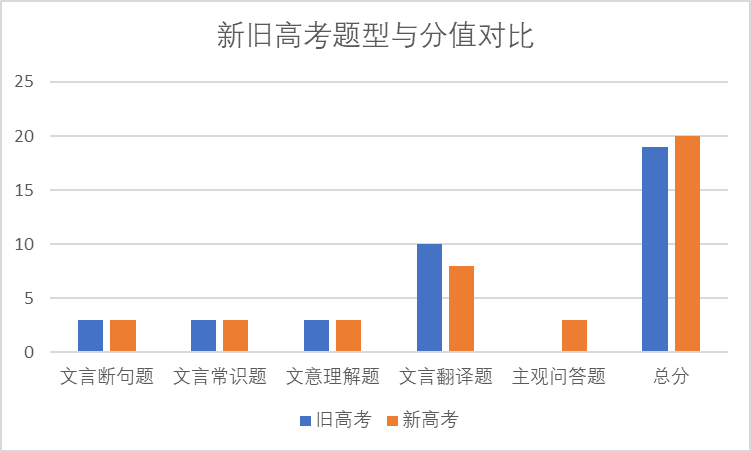
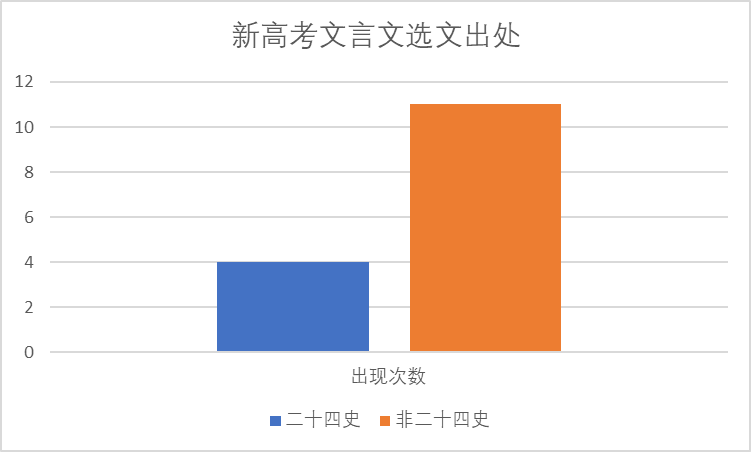
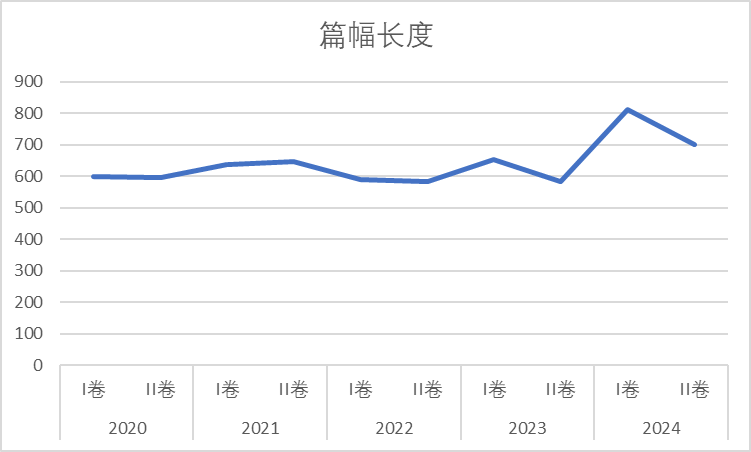
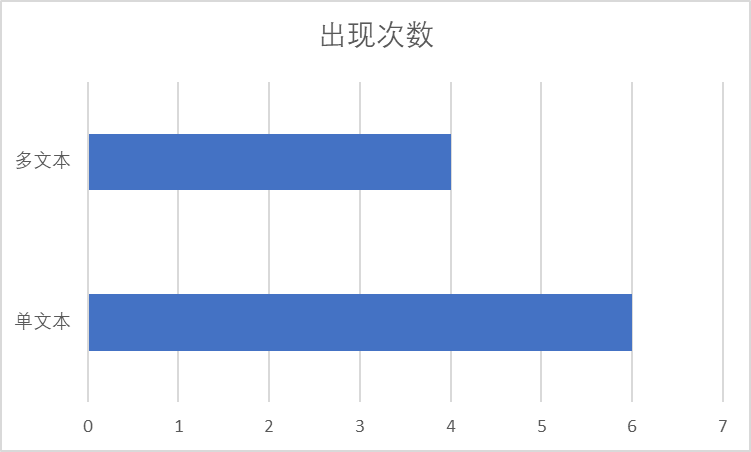
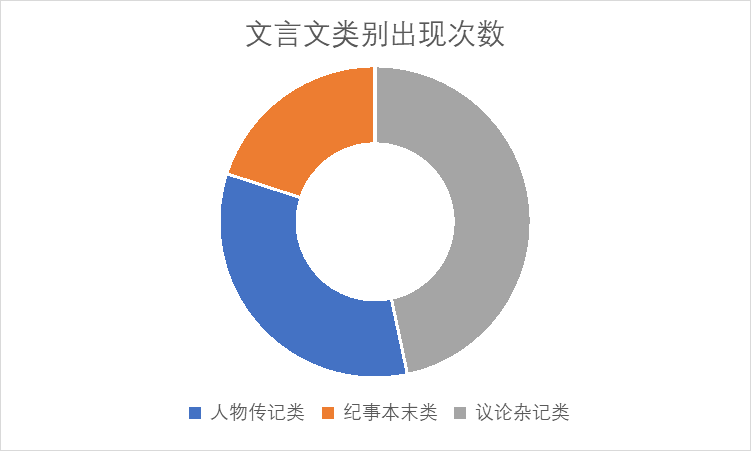
2020年新高考实施以来,文言文在新高考语文中的分值权重持续上升,难度也在不断增加,导致学生得分也变得困难。在此,本文运用文献法、统计法、比较法,统计了2020-2024年新高考文言文10套真题,从选文、题型与考点方面分析其命题趋势。发现其选文呈现多元化与多文本趋势;题型转向主观化;考点更贴近教材。基于以上,预测2025年高考文言文试题和提出高分策略DOI:
https://doi.org/10.63942/brjssh.v5.i7.p57.54069Keywords:
Classical Chinese, Exam Questions, New Gaokao, Question-setting TrendsIntroduction audio
A spoken introduction to this research.
Research ID
Universal Unique Research ID
491a011e-51d0-4852-9233-2b3dd6f5ecdfFigures
Select a figure to view the full image.
References
Bloom, B. S., Krathwohl, D. R., & Harrow, A. J. (1986). Jiàoyù mùbiāo fēnlèi xué: Dì yī fēncè rènzhī lǐngyù[Taxonomy of educational objectives, handbook 1: Cognitive domain] (L. Luo et al., Trans.). Huádōng Shīfàn Dàxué Chūbǎnshè [East China Normal University Press].
Hu, R. (2022). Xīn kè gǎi bèijǐng xià jìn sān nián gāokǎo yǔwén wényánwén shìtí yánjiū jí jiàoxué jiànyì [A study on the classical Chinese test questions in the college entrance examination in the last three years under the background of the new curriculum reform and teaching suggestions] [Master's thesis, Southwest University]. China National Knowledge Infrastructure (CNKI). https://doi.org/10.27684/d.cnki.gxndx.2022.003702
Jiàoyùbù Kǎoshì Zhōngxīn [Education Examination Center of the Ministry of Education]. (2019). Zhōngguó gāokǎo píngjià tǐxì [China's college entrance examination evaluation system]. Rénmín Jiàoyù Chūbǎnshè [People's Education Press].
Sweller, J. (1988). Cognitive load during problem solving: Effects on learning. Cognitive Science, 12(2), 257–285.
Tong, Z. (2021). Gāokǎo wényánwén bèikǎo cèlüè jí mìngtí zhǎnwàng [Preparation strategies and proposition prospects for classical Chinese in the college entrance examination]. Yǔwén Jiàoxué Yǔ Yánjiū [Chinese Language Teaching and Research], (9), 113–120.
Wang, L. (2014). Zhōngguó gǔdài wénhuà chángshì [General knowledge of ancient Chinese culture]. Jīnghuá Chūbǎnshè [Jinghua Press].
Xu, Q. (2022). Yǔwén héxīn sùyǎng shìyù xià gāokǎo wényánwén (quánguó juàn) shìtí yánjiū (2011-2021) [A study on the classical Chinese test questions of the college entrance examination (National Volume) from the perspective of core literacy in language arts (2011-2021)] [Master's thesis, Xinyang Normal University]. China National Knowledge Infrastructure (CNKI). https://doi.org/10.27435/d.cnki.gxsfc.2022.000069
Yan, W. (2023). Gāokǎo wényánwén yuèdú shící fānyì jiàoxué yánjiū [A study on the teaching of translating content words in classical Chinese reading for the college entrance examination] [Master's thesis, Shihezi University]. China National Knowledge Infrastructure (CNKI). https://doi.org/10.27332/d.cnki.gshzu.2023.000817
Zhai, X. (2023). Jìn wǔ nián gāokǎo quánguó juàn wényánwén shìtí yánjiū [A study on classical Chinese test questions in the national college entrance examination papers of the last five years] [Master's thesis, Fuyang Normal University]. China National Knowledge Infrastructure (CNKI). https://doi.org/10.27846/d.cnki.gfysf.2023.000138
Zhang, X. (2024). Gāokǎo wényánwén yuèdú shìtí fēnxī yǔ jiàoxué cèlüè yánjiū [An analysis of classical Chinese reading test questions in the college entrance examination and a study of teaching strategies] [Master's thesis, East China Normal University]. China National Knowledge Infrastructure (CNKI). https://doi.org/10.27149/d.cnki.ghdsu.2024.000064
Zhang, Y. (2017). Lìshuō gāokǎo wényánwén fēnxī zònghé lèi shìtí de jiětí jìqiǎo [Illustrating the problem-solving skills for analysis and synthesis questions in classical Chinese for the college entrance examination]. Yǔwén Tiāndì [Chinese Language World], (16), 5–6.
Zhōnghuá Rénmín Gònghéguó Jiàoyùbù [Ministry of Education of the People's Republic of China]. (2020). Pǔtōng gāozhōng yǔwén kèchéng biāozhǔn (2017 niánbǎn 2020 nián xiūdìng) [Language curriculum standards for regular high schools (2017 edition, 2020 revision)]. Rénmín Jiàoyù Chūbǎnshè [People's Education Press].
Copyright & reuse
© 2025 文豪, 李先锋, 可晓锋. Authors retain copyright in their work. Reuse is permitted under Creative Commons Attribution 4.0 when the authors and original publication are credited.
License terms · Copyright policy
Disclaimer
The claims in this article belong to its authors and do not necessarily reflect the views of their institutions, Boston Research Journals, editors or reviewers. Publication does not constitute endorsement of a product or manufacturer’s claim.
Published
Issue
License
Copyright (c) 2024 Boston Research Journal of Social Sciences & Humanities

This work is licensed under a Creative Commons Attribution 4.0 International License.
Publication record
- Accepted
- 2025-09-01
- Published
- 2025-09-15
- Pages in issue
- 57 - 71
- Online ISSN
- 2834-4863
- Print ISSN
- 2834-4855
Peer reviewed research
Review by at least two independent experts under a double-blind process.
Peer review process ↗Copyright & access
🟢 Open Access | Creative Commons Attribution 4.0 International License (CC BY 4.0)
View license terms ↗Preservation & archival

Long-term preservation with BRJ Cloud.
View archival policy ↗Published by BRJ
Compiled and published in the United States of America.
About Boston Research Journals ↗Share this research