
Neural Circuits: Σ(35-59) Artificial Sound Environments Interconnected to an Evolving Autocentric Rotating Cellular Cube
Downloads
Abstract
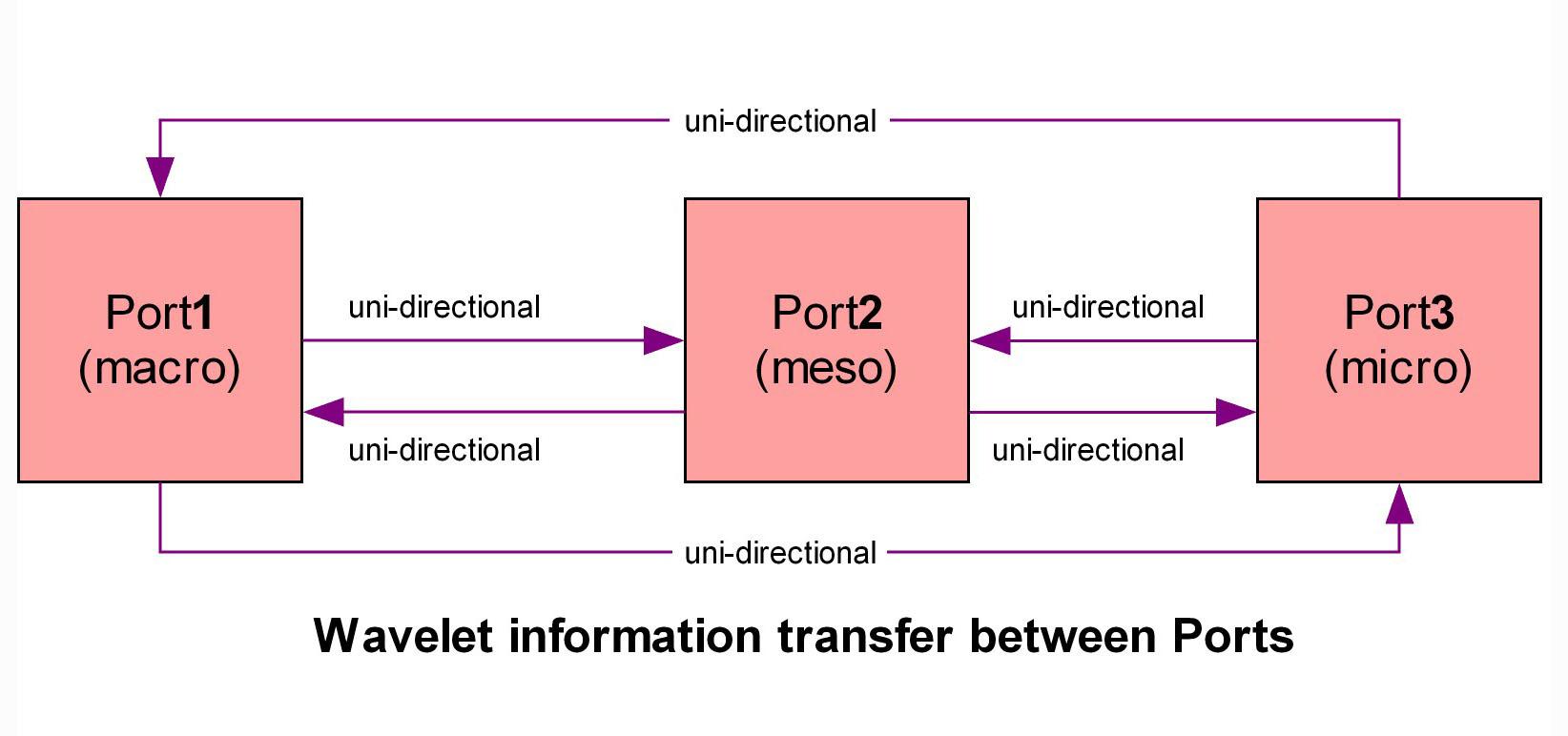
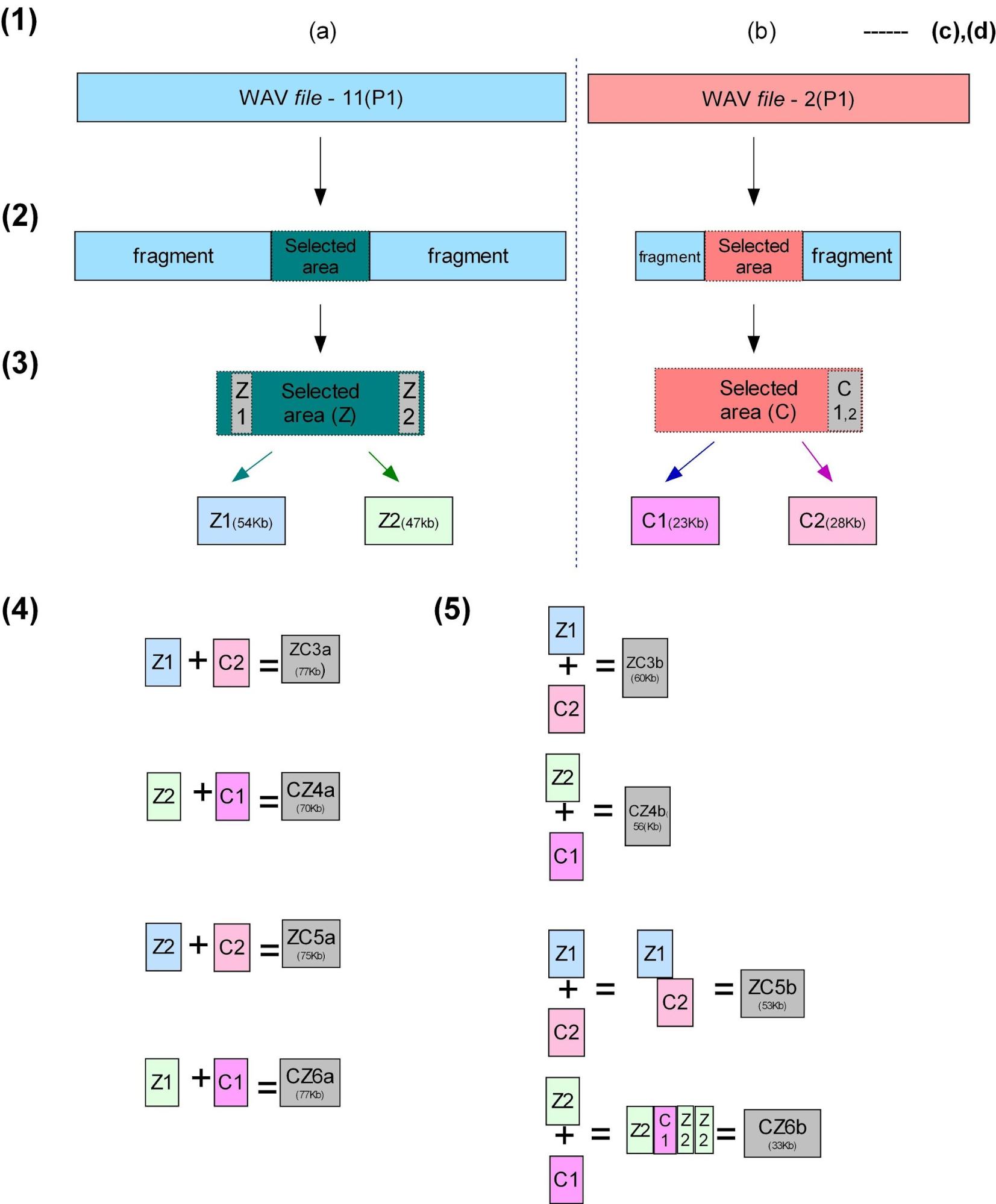
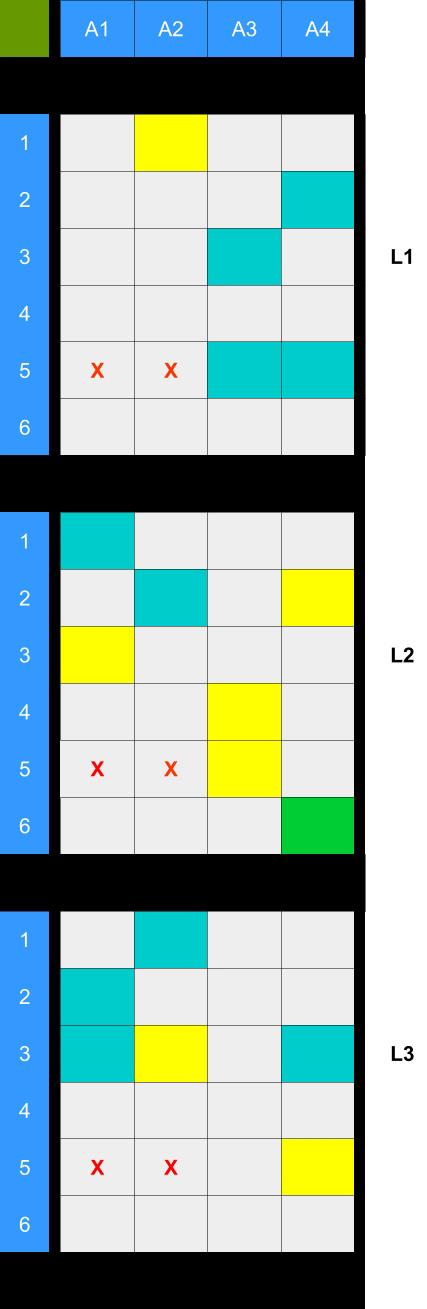
Constructed by using multiple computer-fragmented WAV files retrieved from disposed digital audio data. 68 modular circuits and three ports each equipped with electronic grids, were developed. The action outcomes of each circuit are controlled by command processing, 24 partitions of an evolving rotating cube with 576 cellular blocks. Attached to each cell are wavelets, one to four plugins and a similar number of effects or a combination of both. The automaton tends to evolve from an initial random distribution of a selection of circuits, WAV files, effects and plugins to a deterministic selection of numbers used in further fragmentation processes of circuit-processed WAV files allowing accessibility in the distribution state so that wavelets can reach their destination. Circuits are part of the neural network of commands, offering machine learning capabilities. The development draws on transition adapted for modelling purposes in areas from physical and biochemical sciences.DOI:
https://doi.org/10.63942/brjssh.v5.i5.p23.55974Introduction audio
A spoken introduction to this research.
Research ID
Universal Unique Research ID
e080d732-af8c-4c1b-8e50-4052aa7a069dFigures
Select a figure to view the full image.

References
Andringa, T. C., & Lanser, J. J. L. (2013). How pleasant sounds promote and annoying sounds impede health: A cognitive approach. International Journal of Environmental Research and Public Health, 10(4), 1439–1461. https://doi.org/10.3390/ijerph10041439
Axelsson, Ö., Nilsson, M. E., & Berglund, B. (2010). A principal components model of soundscape perception. The Journal of the Acoustical Society of America, 128(5), 2836–2846. https://doi.org/10.1121/1.3493436
Berg, J. M., Stryer, L., Tymoczko, J. L., & Gatto, G. J. (2015). Biochemistry (8th ed.). W. H. Freeman.
Beznea, L., Deaconu, M., & Lupascu, O. (2015). Branching processes for the fragmentation equation. Stochastic Processes and their Applications, 125(5), 1861–1885. https://doi.org/10.1016/j.spa.2014.12.006
Dewdney, A. K. (1989, August). A cellular universe of debris, droplets, defects and demons. Scientific American, 261(2), 102–105.
Fersht, A. (2000). Structure and mechanism in protein science: A guide to enzyme catalysis and protein folding(3rd rev. ed.). W. H. Freeman.
Hertz, J., Krogh, A., & Palmer, R. G. (1991). Introduction to the theory of neural computation. Addison-Wesley.
International Organization for Standardization. (2018). Soundscape—Part 2: Data collection and reporting requirements (ISO/TS 12913-2:2018).
Mercer University, Department of Physics. (n.d.). Kirchhoff’s Laws. Retrieved July 16, 2025, from https://physics.mercer.edu/labs/manuals/manualEMlab/Kirchhoff.pdf
Osgood, C. E., Suci, G. J., & Tannenbaum, P. H. (1957). The measurement of meaning. University of Illinois Press.
Perception of soundscapes: An interdisciplinary approach. (2013). Applied Acoustics, 74(2), 224–231.
Russell, B. (1900). A critical exposition of the philosophy of Leibniz, with an appendix of leading passages. The University Press. http://archive.org/details/cu31924052172271
Voet, D., & Voet, J. G. (2004). Biochemistry (3rd ed.). Prentice Hall.
Copyright & reuse
© 2025 Dimitrios Voudouris. Authors retain copyright in their work. Reuse is permitted under Creative Commons Attribution 4.0 when the authors and original publication are credited.
License terms · Copyright policy
Disclaimer
The claims in this article belong to its authors and do not necessarily reflect the views of their institutions, Boston Research Journals, editors or reviewers. Publication does not constitute endorsement of a product or manufacturer’s claim.
Published
Issue
License
Copyright (c) 2024 Boston Research Journal of Social Sciences & Humanities

This work is licensed under a Creative Commons Attribution 4.0 International License.
Publication record
- Accepted
- 2025-05-30
- Published
- 2025-07-15
- Pages in issue
- 23 - 43
- Online ISSN
- 2834-4863
- Print ISSN
- 2834-4855
Peer reviewed research
Review by at least two independent experts under a double-blind process.
Peer review process ↗Copyright & access
🟢 Open Access | Creative Commons Attribution 4.0 International License (CC BY 4.0)
View license terms ↗Preservation & archival

Long-term preservation with BRJ Cloud.
View archival policy ↗Published by BRJ
Compiled and published in the United States of America.
About Boston Research Journals ↗Share this research